Home Blog

BCMA-directed CAR T-cell Therapy Demonstrates Profound Efficacy in High-risk Smoldering Multiple Myeloma: Results from the CAR-PRISM Phase 2 Trial

0
This entry is part 1 of 2 in the series AACR

High-risk smoldering multiple myeloma (HR-SMM) is a precursor to symptomatic multiple myeloma, characterized by a significantly increased risk of progression to active disease with organ damage and morbidity. While recent advances, such as the approval of daratumumab (Darzalex®; Johnson & Johnson) for HR-SMM, have delayed progression, a substantial proportion of patients still advance to symptomatic myeloma.

The CAR-PRISM phase 2 trial, presented at the annual meeting of the American Association for Cancer Research (AACR), held April 17-22, 2026, in San Diego, CA, demonstrates that a single infusion of the BCMA-targeted CAR T-cell therapy ciltacabtagene autoleucel (cilta-cel; Carvykti®; Johnson & Johnson | Legend Biotech) can induce 100% minimal residual disease (MRD) negativity in HR-SMM, with profound and durable responses and a favorable safety profile.

Multiple myeloma (MM) is a malignancy of plasma cells that infiltrates the bone marrow, frequently resulting in bone fractures, anemia, renal impairment, and pain. Smoldering multiple myeloma (SMM) is an asymptomatic precursor condition, marked by an increased burden of abnormal plasma cells and elevated protein markers, but without end-organ damage. Among SMM patients, those classified as high-risk (HR-SMM) are at particularly high risk: approximately 50% will progress to symptomatic MM within two years, a transition that heralds serious complications and a decline in heart-related quality of life (hrQoL)

Historically, the standard management of SMM—especially HR-SMM—has been observation with treatment initiation only upon clear evidence of progression. The recent FDA approval of daratumumab for HR-SMM, based on its ability to delay progression, was a significant advance, but many patients still progress, and the depth of response remains suboptimal.

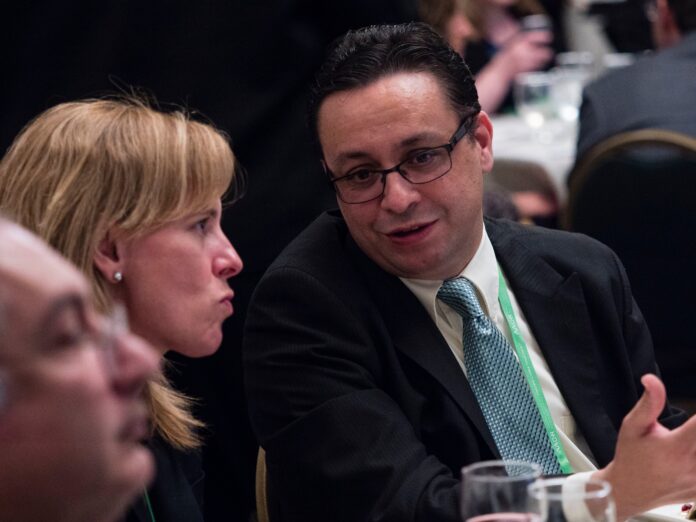
Omar Nadeem, MD, a medical oncologist at Dana-Farber Cancer Institute and an assistant professor of medicine at Harvard Medical School. Photo courtesy: © 2026 AACR. Used with permission.

Chimeric antigen receptor (CAR) T-cell therapy, notably ciltacabtagene autoleucel, which targets B-cell maturation antigen (BCMA) on abnormal plasma cells, has transformed outcomes in relapsed/refractory MM. Data from prior studies suggest that earlier intervention with CAR T-cells may result in deeper and more durable responses, potentially due to greater T-cell fitness and a less suppressive tumor microenvironment. The CAR-PRISM trial was designed to test whether BCMA-directed CAR T-cell therapy could intercept HR-SMM and deliver curative outcomes.

Methods
Study Design and Eligibility
CAR-PRISM is a single-center, phase II, open-label trial evaluating the efficacy and safety of a single infusion of cilta-cel in adults with HR-SMM. HR-SMM was primarily defined by the 20/2/20 model: >20% bone marrow plasma cells, M-protein >2 g/dL, and free light-chain ratio >20. Patients with >40% marrow plasma cells were excluded to reduce risk, as no induction or bridging therapy was administered. Patients were also eligible if they had>10% plasma cells and additional high-risk biomarkers.

Intervention and Endpoints
After screening and leukapheresis, patients received standard lymphodepleting chemotherapy, followed by a single infusion of cilta-cel at doses ranging from 0.3–>0.5×10^6 CAR+ T cells/kg. The protocol included a safety run-in phase and was later amended to reduce the dose in response to observed neurologic toxicities.

The primary endpoint was safety, including dose-limiting toxicities (DLTs) and all adverse events (AEs). Key secondary endpoints included overall response rate, MRD negativity as assessed by next-generation sequencing (sensitivity 10^-6), progression-free survival (PFS), and duration of response.

Results

  • Patient Characteristics
    Between April 2023 and July 2025, 23 patients were screened and 20 received cilta-cel (median age: 58 years; range 37–78). Sixty-five percent had high-risk cytogenetic abnormalities. The median bone marrow plasma cell infiltration was 20%. All patients met criteria for HR-SMM per protocol.
  • Safety Outcomes
    No protocol-defined DLTs occurred. All patients developed cytokine release syndrome (CRS), but all cases were grade 1 or 2 and manageable. The most common AEs were transient grade 3/4 neutropenia (90%), with a median duration of 7 days, and reversible thrombocytopenia or anemia in a minority of patients. Non-ICANS neurologic toxicities occurred in seven patients—most commonly mild facial nerve palsy, all of which resolved, and three patients with mild persistent symptoms. There were no cases of high-grade CRS, ICANS, hemophagocytic syndrome, severe infection, or secondary malignancy.
  • Efficacy Outcomes
    The efficacy results were remarkable: all 20 patients achieved MRD negativity by 2 months post-infusion, and this was maintained at a median follow-up of 15.3 months. Among 16 patients with at least 6 months’ follow-up, all achieved complete or stringent complete response. No disease progression or deaths were observed. The median PFS and overall survival were not reached.
  • Biomarker and Dose Insights
    Analysis of biomarkers showed robust expansion of CAR+ T cells and rapid reduction in serum soluble BCMA, consistent with rapid tumor clearance. Neurologic toxicity appeared dose-related, prompting reduction of the CAR T-cell dose and preemptive dexamethasone for patients with high lymphocyte counts post-infusion. Patients with neurologic events had greater lymphocyte expansion and higher CD4:CD8 ratios.
David Cordas dos Santos, MD, a co-author on the study and an instructor of medicine at Dana-Farber Cancer Institute. Photo courtesy: © 2026 AACR. Used with permission.

Universal and sustained result
The CAR-PRISM trial represents a landmark in the early intervention of high-risk smoldering multiple myeloma. For the first time, a one-time, early intervention with BCMA-directed CAR T-cell therapy has been shown to induce universal and sustained MRD negativity without the need for induction or bridging therapy.

The 100% MRD negativity rate is unprecedented and greatly exceeds what has been achieved with current triplet or quadruplet regimens or even with daratumumab. The results strongly support the hypothesis that the T-cell fitness and lower tumor burden at the HR-SMM stage translate to superior efficacy of CAR T-cell therapy.

The safety profile was favorable, with side effects generally mild and manageable. The absence of high-grade CRS or severe cytopenias—compared to what is seen in relapsed/refractory MM—suggests that early intervention may offer not just greater efficacy, but also improved tolerability, likely due to preserved immune and hematopoietic reserves.

  • Clinical Implications
    If confirmed in larger and longer-term studies, these results could fundamentally change the management of HR-SMM. Instead of watchful waiting or prolonged antibody therapy, patients may be offered a one-time, potentially curative cell therapy that eradicates the disease before it becomes symptomatic. The potential to intervene before the onset of organ damage and immune suppression is a paradigm shift.
  • Comparison with Other Studies
    Other early-intervention strategies, such as the GEM-CESAR trial or multiagent regimens, have achieved MRD negativity in about half of patients, with durable MRD negativity at 4 years in only a third of patients. The depth and uniformity of response seen in CAR-PRISM is significantly greater.
Irene Ghobrial, MD, senior author of the study and a professor of medicine at Dana-Farber Cancer Institute. Photo courtesy: © 2026 AACR. Used with permission.

Future Directions
Further studies should address:

  • The durability of MRD negativity and long-term PFS/OS.
  • Application to broader SMM and newly diagnosed MM populations.
  • Comparative efficacy and safety versus other immunotherapies.
  • Optimization of benefit-risk balance with biomarker-guided management.
  • Mechanistic studies to explore why responses are so deep and rapid in SMM compared to relapsed MM.

The CAR-PRISM phase 2 trial demonstrates that BCMA-directed CAR T-cell therapy (cilta-cel) can induce rapid, deep, and sustained remissions in high-risk smoldering multiple myeloma, with all patients achieving and maintaining MRD negativity over a median follow-up of 15.3 months. The safety profile is favorable, and the results set the stage for redefining the standard of care in HR-SMM. If durability is confirmed, early intervention with CAR T-cell therapy may offer the possibility of a cure for patients previously relegated to watchful waiting.

Limitations
The study is limited by its single-arm, single-center design, small sample size, and relatively short follow-up.

Exclusion of patients with >40% marrow plasma cells limits generalizability to patients with higher tumor burden. Further validation in multicenter and randomized trials is needed.

Clinical trials
CAR- PRISM (PRecision Intervention Smoldering Myeloma) – ClinicalTrials.gov ID NCT05767359

Highlights of Prescribing Information
Ciltacabtagene autoleucel (cilta-cel; Carvykti®; Johnson & Johnson | Legend Biotech)[Prescribing Infromation]
Daratumumab (Darzalex®; Johnson & Johnson)[Prescribing Information]

References
[1] Nadeem O, Cordas dos Santos D, Nikiforow S, DeBraganca K, Bosch-Vilaseca A, O’Donnell E, Sperling A, Liu Y, Arters F, Marto M, Bergeron A, O’Donnell C, Kineavy B, Swenson E, McHugh K, Berry Q, Wei H, Durlacher E, Grimm E, Montes de Oca R, De Wiest D, Redd R, Trippa L, McIntire C, Smith E, Anderson K, Munshi N, Madduri D, Tendler C, Schecter J, Wildgust M, Ritz J, Ghobrial I. Ciltacabtagene autoleucel in high-risk smoldering myeloma: Results from the CAR-PRISM trial. In: Proceedings of the 117th Annual Meeting of the American Association for Cancer Research; 2026 April 17-22; San Diego, CA.: AACR; 2026. Abstract nr CT103.
[2] Nadeem O, Cordas Dos Santos DM, Nikiforow S, Bosch-Vilaseca A, O’Donnell E, Redd R, DeBraganca KC, Sperling AS, Liu Y, McEntire C, Arters F, O’Donnell C, Kineavy B, Marto M, Bergeron A, Swenson E, McHugh K, Caron A, Berry Q, Wei H, Durlacher E, Grimm E, Corrado F, Bidikian N, Montes de Oca R, Lengil T, De Wiest D, Gervais C, Panaro K, Smith EL, Anderson K, Jacobson C, Munshi NC, Richardson P, Madduri D, Schecter JM, Tendler C, Wildgust MA, Trippa L, Mateos MV, Ritz J, Ghobrial IM. Ciltacabtagene autoleucel in high-risk smoldering multiple myeloma: the CAR-PRISM phase 2 trial. Nat Med. 2026 Apr 20. doi: 10.1038/s41591-026-04365-y. Epub ahead of print. PMID: 42010117.

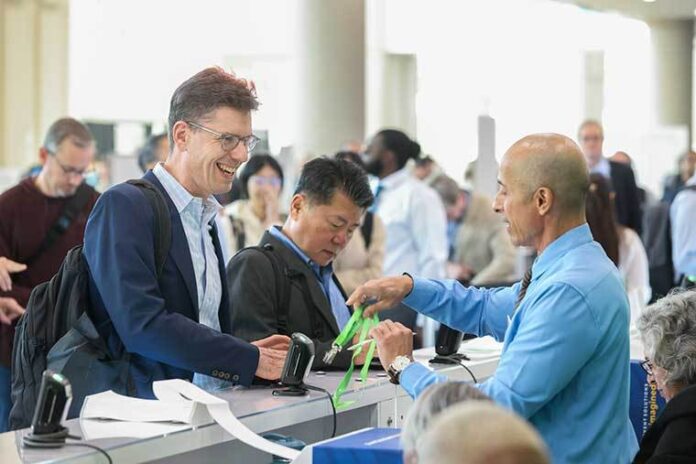
Featured image San Diego, CA – The AACR 2026 Annual Meeting – Photo courtesy © 2026 AACR/Luke Franke


DOI

AACR 2026: Next-Generation Cell Therapy Show Promise in Solid and Hematologic Malignancies

0
This entry is part 2 of 2 in the series AACR

Chimeric antigen receptor (CAR) T-cell therapies have revolutionized the treatment of hematologic malignancies but have faced significant challenges in solid tumors and long-term persistence due to T-cell exhaustion and ‘always-on’ tonic signaling.

Verismo Therapeutics’ novel multi-chain killer immunoglobulin-like receptor (KIR)-CAR platform, inspired by natural killer (NK) cell biology, seeks to overcome these limitations. The company’s platform technology is based on the fact that, while NK cells are known for their powerful innate antitumor activity, they are short-lived.  In contrast, T-cells persist for years or even decades. SynKIR™ combines the power of NK cell KIR receptors with the long-term durability of T-cells. In mouse models, this results in a long-lasting and powerful anti-cancer efficacy.

At the annual meeting of the American Association for Cancer Research (AACR), held April 17 – 22, 2026, in San Diego, CA, initial clinical and preclinical data for the lead KIR-CAR candidates SynKIR™-110 and SynKIR™-310 were presented, marking a milestone in the advancement of multi-chain KIR-CAR immunotherapies.*

KIR-CAR Platform
Unlike conventional single-chain CD3-based CAR T-cell designs, the KIR-CAR platform uses a split-signal system comprising an NK cell-derived killer immunoglobulin-like receptor (KIR) paired with the DNAX-activation protein of 12 kDa (DAP12), enabling physiologic activation and rest cycles. This architecture allows a more natural cellular activation/rest cycle upon target cell engagement and disengagement, reducing tonic signaling and exhaustion while improving persistence and function in the tumor microenvironment. The result is a cell therapy platform with enhanced resistance to immunosuppression and potential for durable responses in both solid and hematologic malignancies.

SynKIR™-110 in Mesothelin-Expressing Solid Tumors
Due to its overexpression in tumors compared with normal or healthy cells, mesothelin (MSLN) is considered an attractive target for CAR T-cell therapy in solid tumors. Both in vitro and in vivo, SynKIR™-110, a mesothelin-targeting autologous KIR-CAR T-cell therapy, demonstrated sustained killing of MSLN+ targets with minimal activation or cytokine production against MSLN cells compared to ‘conventional’ CAR T-cells, supporting the investigational drug  as a promising candidate with improved safety and efficacy for targeting of MSLN tumors. [1]

The STAR-101 Phase 1 clinical trial (NCT05568680) further evaluated SynKIR™-110 in patients with advanced, refractory solid tumors, including ovarian cancer, mesothelioma, and cholangiocarcinoma. In the initial three-dose cohorts (1–10 × 10^7 cells/m² following lymphodepletion), nine heavily pretreated patients were treated. No dose-limiting toxicities or protocol-defined stopping events occurred. [2]

Three patients (33%) experienced low-grade cytokine release syndrome; no neurotoxicity was observed. Hematologic adverse events were consistent with prior chemotherapy. SynKIR™-110 persisted in peripheral blood and induced effector cytokine peaks consistent with expected CAR T-cell kinetics. Tumor responses were seen in four patients, with one partial response maintained for six months. The maximum tolerated dose (MTD) had not been reached at the data cutoff, and dose escalation is ongoing.

SynKIR™-310 in B Cell Non-Hodgkin Lymphoma
Over half of all patients dignosed with B-cell non-Hodgkin lymphoma (B-NHL), a cancer of the lymphatic system, representing 85%–90% of all NHL case, who have been treated with a FDA-approved CD19-targeting CAR T-cell therapy**, experience progressive disease within 1 year [1] Early clinical and preclinical data for SynKIR™-310, a CD19-targeted multi-chain KIR-CAR T-cell, were presented from the CELESTIAL-301 Phase 1 trial (NCT06544265) and supporting animal models. In B-NHL xenograft mouse models, SynKIR™-310 demonstrated superior tumor control and survival compared to single-chain CD3-based CAR T-cell therapies, with reduced systemic cytokine release.[3][4][5]

Early clinical data also showed promising anti-tumor activity and favorable tolerability in relapsed/refractory B-NHL patients, including those previously treated with other CAR T therapies. SynKIR™-310 exhibited a potentially improved benefit-risk profile compared to conventional CD3-based CAR T, meriting continued clinical investigation.

EGFR-Targeted KIR-CAR for Glioblastoma
Patients diagnosed with high-grade glioma (HGG; glioblastoma/GBM), the most common primary malignant brain tumor, have a poor prognosis and cannot be cured. Despite standard treatment of resection, chemotherapy, and radiotherapy, median survival remains limited, with a prognosis of 15-18 months, depending on histological subtype, tumor grade, cytogenetic analysis, age, and performance status at the time of diagnosis. [6]

Recent clinical trials investigating autologous chimeric antigen-receptor (CAR) T-cells targeting epidermal growth factor receptor (EGFR) variants in GBM through single-chain variable fragments (scFv) recombined with 41BB-co-stimulation and CD3ζ activation showed encouraging radiographic evidence of early tumor reductions, within days of CAR T-cell treatment. However, researchers observed that this anti-tumor benefit was short-lived, with tumor outgrowth generally occurring within days to weeks, which they attributed to rapid loss of T-cell function due to exhaustion or target-antigen loss.

Preclinical results from collaborative research with the University of Pennsylvania showcased an EGFR-targeted multi-chain KIR-CAR T cell. In glioblastoma models, this approach overcame functional deficits seen in CD3-based CAR T-cells, resulting in superior tumor regressions and increased survival in vivo. [7]

The KIR-CAR T-cells displayed reduced exhaustion, an increased naïve-like phenotype, and sustained anti-tumor functionality, demonstrating strong potential for clinical translation in glioblastoma and other solid tumors resistant to current CAR T modalities.

Efficacy and safety
These data represent the first clinical evidence of efficacy and safety for multi-chain KIR-CAR T cell therapies in humans, supporting the platform’s ability to address high unmet needs in both solid and hematologic malignancies. The KIR-CAR strategy provides a physiologically relevant, finely tuned activation mechanism that limits exhaustion and enhances persistence, characteristics essential for overcoming tumor immune evasion and treating historically refractory cancers.

Based on the results of clinical and preclinical studies, Verismo’s SynKIR™-110 and SynKIR™-310 are the first multi-chain KIR-CAR-based immuno-oncology therapies to enter human trials, with promising early results in mesothelin-expressing solid tumors and B-cell non-Hodgkin lymphoma.

Ongoing clinical trials and preclinical developments—including EGFR-KIR-CAR for glioblastoma—herald a new era for engineered cell therapies, potentially expanding the reach and durability of CAR T therapy across cancer types.
__
Note:* All studies were funded by Verismo Therapeutics and supported by HLB Innovation.
** CD19-targeted CAR T-cell therapies currently approved by the US Food and Drug Administration (FDA) include axicabtagene ciloleucel (Yescarta®; Kite Pharma), tisagenlecleucel (Kymriah®, Novartis), lisocabtagene maraleucel (Breyanzi®; Juno Therapeutics, a Bristol Myers Squibb company), and brexucabtagene autoleucel (Tecartus®; Kite Pharma).

Clinical trials
SynKIR-110 for Mesothelin Expressing Ovarian Cancer, Cholangiocarcinoma or Mesothelioma – ClinicalTrials.gov ID NCT05568680
SynKIR-310 for Relapsed/​Refractory B-NHL – ClinicalTrials.gov ID NCT06544265

Reference
[1] Yucel N, Nunez-Cruz S, Leferovich J, Truong T, Blair M, Xu J, Milone MC, Johnson LA. A novel NK-cell based split-signaling killer immunoglobulin receptor (KIR)-based CAR T targeting mesothelin, SynKIR-110, shows increased safety profile and increased efficacy in vitro and in vivo. JITC Nov 2025. 13(Suppl 2):A336-A336 / DOI:10.1136/jitc-2025-SITC2025.0298. Abstract 298
[2] Tanyi JL, Haas A, O’Hara M, Gahvari Z, Al-Rajabi R, Altan M, Sterman D, Winters E, Campanile A, Howard S, Luke R, Truong T, Blair M, Yucel N, Xu J, Siegel DL, June CH, Milone MC, Johnson LA. Initial results of a first-in-human dose-escalation study of KIR-CAR in patients with advanced mesothelin-expressing solid tumors. In: Proceedings of the 117th Annual Meeting of the American Association for Cancer Research; 2026 April 17-22; San Diego, CA.: AACR; 2026. Abstract nr CT104.
[3] Blair MC, Xu J, Yucel N, Truong T, Stanley W, Tees M, Dermody O, Howard SK, Campanile A, Milone M, Siegel DL, Johnson LA. Novel SynKIR-310 outperforms CD3-based second-generation CD28 or 41BB co-stimulated CAR T in B-cell non-Hodgkin lymphoma xenograft mice and shows early clinical signal. In: Proceedings of the 117th Annual Meeting of the American Association for Cancer Research;
2026 April 17-22; San Diego, CA.: AACR; 2026. Abstract nr 5193 / 11.
[4] Cappell KM, Kochenderfer JN. Long-term outcomes following CAR T cell therapy: what we know so far. Nat Rev Clin Oncol. 2023 Jun;20(6):359-371. doi: 10.1038/s41571-023-00754-1. Epub 2023 Apr 13. PMID: 37055515; PMCID: PMC10100620.
[5] Wang E, Wang LC, Tsai CY, Bhoj V, Gershenson Z, Moon E, Newick K, Sun J, Lo A, Baradet T, Feldman MD, Barrett D, Puré E, Albelda S, Milone MC. Generation of Potent T-cell Immunotherapy for Cancer Using DAP12-Based, Multichain, Chimeric Immunoreceptors. Cancer Immunol Res. 2015 Jul;3(7):815-26. doi: 10.1158/2326-6066.CIR-15-0054. Epub 2015 May 4. PMID: 25941351; PMCID: PMC4490943.
[6] Sizoo EM, Braam L, Postma TJ, Pasman HR, Heimans JJ, Klein M, Reijneveld JC, Taphoorn MJ. Symptoms and problems in the end-of-life phase of high-grade glioma patients. Neuro Oncol. 2010 Nov;12(11):1162-6. doi: 10.1093/neuonc/nop045. Epub 2010 Jan 27. PMID: 20511193; PMCID: PMC3098016.
[7] Xu J, Thokala R, Yin Y, Xu C, Boesteanu AC, Cogdill AP, Binder ZA, Zhang L, Zhang JV, Wang E, June CH, O’Rourke DM, Milone MC, Johnson LA. Natural killer cell-based signaling in EGFR-targeted KIR-CAR T overcomes CD3-based CAR T functional deficits to eliminate resistant glioblastomas in vivo. In: Proceedings of the 117th Annual Meeting of the American Association for Cancer Research;
2026 April 17-22; San Diego, CA.: AACR; 2026. Abstract nr LB138 / 3

Featured image: AACR 2016 Annual Meeting.  Photo courtesy © 2016 – 2026 AACR/Todd Buchanan. Used with permission.


DOI

Jiahui International Cancer Center Successfully Treats a 78-year-old Patient from New Zealand with Advanced CAR T-Cell Therapy

0

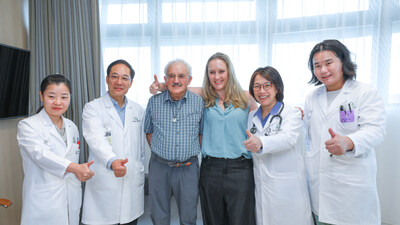
In early November, a team of physicians at Jiahui International Cancer Center (JICC), part of Jiahui International Hospital, Shanghai’s first large-scale international tertiary hospital, successfully treated a 78-year-old patient from New Zealand with relapsed multiple myeloma using CAR T-cell therapy.  This treatment highlights JICC’s growing reputation as a destination for cutting-edge oncology care for international patients.

China is a global leader in CAR-T development, ranking second only to the United States in clinical trials and patient volume.

The patient received Zevorcabtagene autoleucel (zevor-Cel, CT053; CARsgen), a fully human BCMA (B-Cell Maturation Antigen) autologous CAR T-cell for the treatment of patients diagnosed with relapsed/refractory multiple myeloma (rrMM).

Zevorcabtagene autoleucel comprises a fully human BCMA-specific scFv (25C2), a CD8α hinge region and transmembrane domain, a 4-1BB costimulatory domain, and a CD3-ζ T cell activation domain.[1]

The agent is designed to recognize and induce selective toxicity against BCMA-expressing tumor cells, thereby eliminating them.[1]

In February 2024, Zevorcabtagene autoleucel received its first approval in China for the treatment of adults with relapsed or refractory multiple myeloma who have progressed after ≥ 3 prior lines of therapy (including ≥ 1 proteasome inhibitor and an immunomodulatory agent). [1]

Following treatment, the patient was discharged in stable condition.

Conventional therapy
The patient, a retired family medicine doctor with 40 years of experience, had exhausted all conventional treatment options in his home country. Following recommendations from his hematologist and extensive personal research, he chose JICC for Chimeric Antigen Receptor (Chimeric Antigen Receptor

“The entire treatment process at Jiahui was very professional, and I received meticulous care,” the patient noted.

“The nursing team, in particular, looked after me like a family member. The medical service here is world-class,” he added.

The patient also noted the hospital’s efficiency, stating that diagnostic imaging was completed quickly, with most reports available the next day—a turnaround he said would be uncommon in his home country.

The patient’s journey began with a remote consultation via Zoom with the Cancer Center’s multidisciplinary team, including Dr. Xuan Linli, MD, Chief of Medical Oncology, and Hao Siguo, MD, Chief Hematology Consultant. The team’s deep expertise and the hospital’s robust multidisciplinary support system—including hematology, critical care, and specialized nursing—convinced the patient to travel over 9,000 kilometers to Shanghai for treatment.

In mid-September, the patient had his first planned hospital visit for tests and T-cell harvesting, after which he returned home. He returned to Shanghai in early October for hospital admission to receive the CAR T-cell infusion. Just two weeks later, the patient achieved complete minimal residual disease (MRD) negativity in his bone marrow, and free light chains (FLCs) returned to normal, confirming the efficacy of the CAR-T treatment.

JICC’s ability to rapidly onboard and manage the entire CAR T-cell treatment process—from T-cell harvesting and infusion to inpatient monitoring and aftercare—coupled with the affordability of the procedure in China, makes it an increasingly attractive option for international patients.

International Patients
The successful case is part of a broader trend. Jiahui International Cancer Center has received a growing number of inquiries about advanced oncology treatment from Europe, North America, Singapore, the Middle East, and Southeast Asia, including the United States, Canada, France, Switzerland, Greece, Belgium, Qatar, and Russia.

In 2025, JICC treated 24,000 international patients based in Shanghai, including 35 who traveled specifically for medical tourism. This reflects its commitment to providing world-class, patient-centered care.

__

Reference
[1] Dhillon S. Zevorcabtagene Autoleucel: First Approval. Mol Diagn Ther. 2024 Jul;28(4):501-506. doi: 10.1007/s40291-024-00723-z. Epub 2024 Jun 18. PMID: 38888762.

Featured image courtesy © 2025 Jiahui International Cancer Center. Used with permission.


Carl June, Bruce Levine, Isabelle Rivière, and Michel Sadelain Receive the 2025 Merkin Prize

0
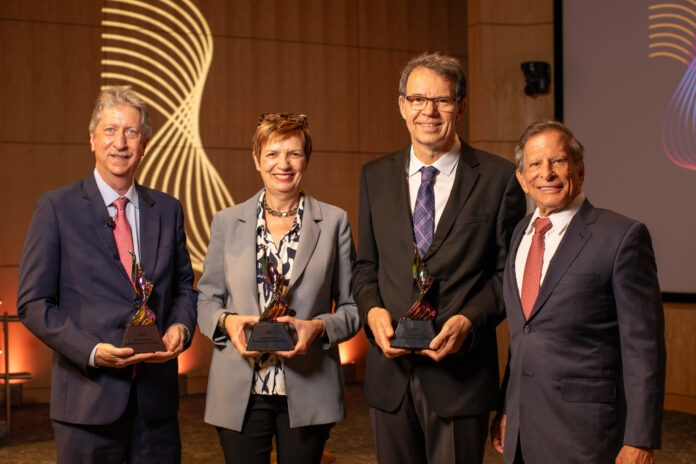
2025 Merkin Prize Laureates Bruce Levine, Isabelle Rivière, and Michel Sadelin with Dr. Richard N. Merkin. Credit: Erik Jacobs, Anthem Multimedia

The 2025 Richard N. Merkin Prize in Biomedical Technology was jointly awarded to Carl June, Bruce Levine, Isabelle Rivière, and Michel Sadelain in a ceremony and symposium at the Broad Institute on September 30, 2025. The prize, created by the Merkin Family Foundation and administered by the Broad, recognizes novel biomedical technologies that have significantly improved human health and awards $400,000.

June, Levine, Rivière, and Sadelain were announced as winners in May for pioneering CAR T-cell therapy, a technology that has reshaped how physicians treat leukemia, lymphoma, and multiple myeloma — and is now showing promise in treating autoimmune and infectious diseases [Bios of June, Levine, Rivière, and Sadelain]. Early stage clinical trials for CAR T cell therapy are also underway for breast, pancreatic, prostate and other cancers that claim millions of lives every year.
In CAR T-cell therapy for cancer, a patient’s own immune cells are engineered into precise tumor killers, becoming what has been called “the first living drug.” They are removed from the patient’s body, reprogrammed to attack tumor cells, and infused back in. They then can turn into an army of hundreds of millions of cells in the patient that continue to multiply and guard against cancer after eliminating the last tumor cell. More than 45,000 cancer patients worldwide have been treated with CAR T-cell therapy, extending their lives and, in many cases, delivering complete and sustained remissions.

In remarks at the symposium, Richard N. Merkin praised the prizewinners for their persistence and tenacity: “They looked for the possible in the impossible. They pushed through their comfort zones, they made things happen. They challenged themselves, sometimes boldly, to depart from current processes. They challenged conventional wisdom; daring the world to abandon the known for an uncertain tomorrow is a bold and provocative act. Breakthroughs require pattern breaking, but being extraordinarily different is the key to any breakthrough.”

Nobel laureate Harold Varmus, the Lewis Thomas University Professor at Weill Cornell Medicine and chair of the Merkin Prize selection committee, noted that the Merkin Prize’s emphasis on impactful technologies is “not characteristic of prizes in general. Most prizes are given for discoveries — finding something new — as opposed to inventing a process that becomes useful. Our charge has been to identify someone or some group of people who have put together a technological triumph that has had beneficial effects on large numbers of people.”

Todd Golub , director and founding core institute member of the Broad Institute and a physician-scientist who pioneered the application of genomics to cancer biology, offered his perspective on CAR T-cell therapy: “You have to understand how contrarian this idea was. It was not at all obvious that you could tweak the immune system to do anything useful against cancer. When I did my clinical training, the conventional wisdom was that there was no role of the immune system in combating cancers.”

Tom Furdon, diagnosed with acute lymphoblastic leukemia in July 2019 but now fully recovered, shared his journey as one of the first patients to receive CAR T-cell therapy. “In no time, I was feeling much better and on my way to recovery,” he said. “The speed of these [CAR T-] cells is amazing. Within a week, I was finally on my way home after almost two months in the hospital.”

Both Furdon and his wife, Cheryl, thanked the awardees and the doctors at Massachusetts General Hospital — including Matthew Frigault, who oversaw Furdon’s CAR T-cell therapy, and was in attendance.

“I wouldn’t have a husband if it weren’t for all of you,” Cheryl Furdon said.

“Six years ago, that would’ve meant me coming home and telling my eleven-year-old and my nine-year-old that their father would not be home. That’s torturous. And it’s a lot to have to live with. Six years later, here we are,” Furdon added.

Marcela Maus, professor at Harvard Medical School and director of cellular immunotherapy at Mass General Brigham, explained how CAR T-cell therapy works and expressed her appreciation for the many years of collaborative research that brought it from the lab to the clinic.

The four prizewinners each gave short presentations outlining their roles in pioneering CAR T-cell therapy. Sadelain discussed the early stages of CAR molecule development and the selection of CD19 as a therapeutic target in CAR T-cell therapy. Levine detailed the process of turning CAR T-cell therapy, developed in academic labs, into a treatment suitable for clinical trials. Rivière described the manufacturing process for CAR T cells, including steps for quality assurance and regulatory compliance. June added his remarks via a recorded video message: “The prize isn’t just for us four individuals. It’s a testament to the collective and often arduous scientific journey and the power of our long-term collaboration.”

Following the prizewinner presentations, Varmus moderated a panel discussion with Levine, Maus, Rivière, and Sadelain on the present and future of CAR T-cell therapy.

Merkin’s partnership with the Broad includes the Merkin Institute Fellows, established in 2012 as the Broad’s first endowed fellowship; the Merkin Institute for Transformative Technologies in Healthcare, launched in 2017 to support paradigm-shifting projects from researchers at the Broad, Harvard, MIT, and the Harvard-affiliated hospitals; the Richard Merkin Professorship (also established in 2017), an endowed professorship held by David Liu, who leads the Merkin Institute for Transformative Technologies in Healthcare; and a generous new commitment in 2021 that advanced the aforementioned programs and launched the Merkin Prize. It was also in 2021 that, in recognition of Merkin’s partnership, the Broad named its building at 415 Main Street the Richard N. Merkin Building.

Nominations for the 2026 Merkin Prize are now open and will close on December 5, 2025, at 11:59 p.m. ET. For further information on how to nominate for the 2026 Merkin Prize, please visit the prize website. Eligibility extends to all investigators who have developed relevant health innovations, regardless of their place of employment, including academia, the commercial sector, or government. Both teams and individuals who have made a profound impact on medicine by pioneering a transformative technology are eligible.

About the Merkin Family Foundation
The Merkin Family Foundation was founded by visionary health care executive Richard Merkin, M.D., who is the founder and CEO of Heritage Provider Network, Inc. (HPN). HPN is one of the largest physician-founded and physician-owned managed care organizations in the country dedicated to value-based healthcare delivery improvements. HPN develops and manages coordinated, patient-doctor centric, integrated health care systems that offer some of the strongest solutions for the future of health, care, and cost in the U.S. HPN and its affiliates operate in New York, California, and Arizona, providing high-quality, cost-effective healthcare with over one million patient members. HPN is dedicated to quality, affordable health care, and putting patients’ wellness first.

About the Broad Institute
Broad Institute is an independent, non-profit research organization whose mission is to understand the roots of disease and close the gap between new biological insights and impact for patients.
Founded in 2004 by the visionary Los Angeles philanthropists Eli and Edythe Broad, the Broad Institute exists at the intersection of scientific disciplines, convening scientists and other experts from genomics, cell biology, chemistry, engineering, neuroscience, therapeutics, artificial intelligence/machine learning, computational biology, and public health. The Broad Institute engages thousands of scientists from MIT, Harvard, Harvard’s primary teaching hospitals, other academic institutions, and leading corporate partners in the pharmaceutical and biotechnology industries, all of whom share the goal of translating research findings into safe and effective therapeutic interventions for all common and rare diseases

Featured image: 2025 Merkin Prize Laureates Bruce Levine, Isabelle Rivière, and Michel Sadelin with Dr. Richard N. Merkin. Photo courtesy: © 2025 Erik Jacobs, Anthem Multimedia. Used with permission.


DOI

STAR-101 Study results Highlighted at the 17th International Mesothelioma Interest Group (iMig) 2025

0

Results from the first-in-humans (FIH) STAR-101 clinical study (NCT05568680), an ongoing, open-label multicenter Phase 1 clinical trial designed to evaluate the safety, feasibility, and preliminary efficacy of SynKIR™-110 in patients with advanced mesothelin-expressing tumors. will be highlighted during the 17th International Mesothelioma Interest Group (iMig) 2025 Conference, held October 26 – 29, 2025, in Philadelphia, PA, USA.

The Funds will support cell, gene, and regenerative medicine therapy

Mesothelioma is a rare, aggressive cancer, with more than 2,500 people diagnosed annually in the United States and 30,000 globally. [1]

Exposure to asbestos causes most cases of mesothelioma. [2] Asbestos was used in many consumer products, automobile parts, and building materials in the 20th century before scientists learned of its health dangers. The potential for asbestos exposure in the United States peaked in the 1970s but has since declined as U.S. asbestos mines were closed and asbestos-containing products and materials were withdrawn from the market.

The decline in asbestos exposure is reflected by declines in mesothelioma incidence rates. However, people can still be exposed to asbestos in some consumer products and older buildings.

Prognosis remains Poor
Despite recent therapeutic advances, prognosis remains poor, and most patients face limited options for long-term treatment.

SynKIR™-110, developed by Verismo Therapeutics and based on the company’s multi-chain KIR-CAR platform, targets mesothelin, a protein highly expressed on mesothelioma cells and a validated target for innovative immunotherapies, enabling it to recognize and attack cancer cells. SynKIR™-110 was granted Orphan Drug and Fast Track Designations by the U.S. Food and Drug Administration (FDA) for the treatment of mesothelioma in 2022 and 2023, respectively.

Difficult to treat
“Mesothelioma is one of the most difficult cancers to treat, and it has historically been underserved in terms of new treatment development,” said Daniel Sterman, M.D., Thomas and Suzanne Murphy Professor of Pulmonary and Critical Care Medicine at the NYU Grossman School of Medicine, Director of Division of Pulmonary Medicine at the NYU Langone Medical Center and an organizer of iMig 2025.

“By sponsoring iMig and presenting the STAR-101 trial design, Verismo is demonstrating its commitment to advancing the science, addressing the unmet medical need, and supporting the global mesothelioma community,” noted Sterman, who serves as the Medical Monitor for Verismo’s STAR-101 clinical study.

Verismo’s sponsorship of iMig 2025 underscores its dedication not only to scientific innovation but also to supporting patients, clinicians, and advocates working to advance care in mesothelioma worldwide.

Presentation Details:

  • Title: SynKIR-CAR T Cell Advanced Research (STAR)-101 Phase 1 Clinical Trial for Patients with Advanced Mesothelin-expressing Mesothelioma, Ovarian Cancer, or Cholangiocarcinoma
  • Session: Novel Combinations and Applications of Immunotherapy; Salon E
  • Date/Time: Monday, October 27, 2025, 2:30 – 2:45 PM
  • Presenter: Jun Xu, Ph.D., Executive Director of Translational Science, Verismo Therapeutics

__

Clinical trials
SynKIR-110 for Mesothelin Expressing Ovarian Cancer, Cholangiocarcinoma or Mesothelioma – ClinicalTrials.gov ID NCT05568680

Reference
[1] Incidence of Malignant Mesothelioma. United States Cancer Statistics, CDC, Online. last accessed October 1, 2025.
[2] Health Effects of Asbestos. Agency for Toxic Substances and Disease Registry. CDC. Online. Last accessed on October 1, 2025.

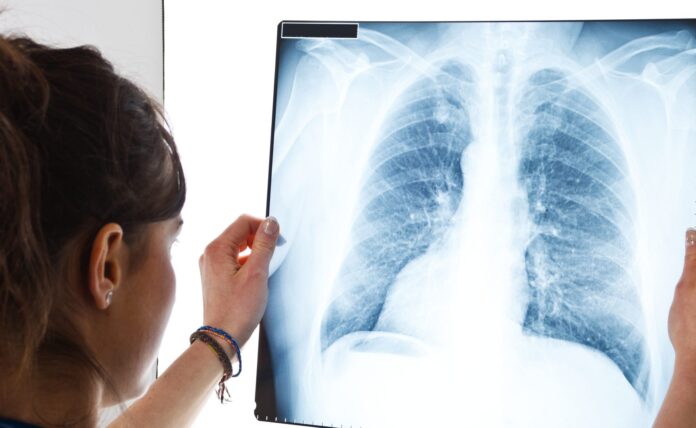
Featured image: Doctor examining a lung radiograph. Photo courtesy: © 2017 – 2025 Fotolia/Adobe. Used with permission.


DOI

Novel CAR T-Cell Therapy for Neuroendocrine Cancer Receives FDA Fast Track Designation

0

CHM-2101, an autologous Cadherin 17 (CDH17) Chimeric Antigen Receptor (CAR-) T-cell therapy for the treatment of advanced gastrointestinal (GI) cancers that are relapsed or refractory to at least 1 standard treatment regimen in the metastatic or locally advanced setting, has been granted Fast Track Designation by the US Food and Drug Administration (FDA). The investigational drug is being developed by Chimeric Therapeutics while preclinical development  was funded by the Neuroendocrine Tumor Research Foundation (NETRF).

Discovered at the University of Pennsylvania in the laboratory of Xianxin Hua, MD, Ph.D., CHM-2101 is a third generation, novel CAR-T cell therapy that targets CDH17, a cancer biomarker associated with poor prognosis and metastases in the most common gastrointestinal tumors. These tumors are often refractory to therapy after metastasis.

Preclinical study results for CDH17 CAR T were published by Hua and his colleagues in 2022 in Nature Cancer, demonstrating complete eradication of tumors in 7 types of cancer in mice.[1]

Improving outcomes
The Fast Track Designation was granted based on the FDA’s assessment of the potential of the investigational drug to improve outcomes for patients with gastroenteropancreatic neuroendocrine tumors (GEP-NETs) who have progressed beyond at least one prior line of therapy in the advanced or metastatic setting.

This designation recognizes the potential of this new treatment to address the unmet medical need for additional therapies for GEP-NETs.  a first-in-class, 3rd generation CDH17 CAR T-cell therapy invented

(Left to Right) Elyse Gellerman, MHS, Chief Executive Officer of the Neuroendocrine Tumor Research Foundation,Jason B Litten MD, Chief Medical Officer at Chimeric and Dr Rebecca McQualter CEO, Chimeric. Photo Courtesy: Neuroendocrine Tumor Research Foundation. Used with permission

Fast Track Designation is designed to facilitate the development and expedite the review of drugs to treat serious conditions and fill an unmet medical need.

This designation by the US FDA is intended to get important new drugs to patients earlier. With this designation, Chimeric will have increased FDA interactions that include more frequent meetings with the FDA to discuss the drug’s development plan, more frequent written communication from the FDA, and potential eligibility for Accelerated Approval, Priority Review and Rolling BLA Review.

“We are thrilled to announce that the US FDA has granted this designation and acknowledged the important unmet need that CHM CDH17 may serve for patients with GEP-NETs,” said Jason B Litten MD, Chief Medical Officer at Chimeric Therapeutics.

“It is deeply gratifying to see the scientific research that NETRF has supported at The University of Pennsylvania since 2014 is now in the clinic and being recognized for its potential as an effective treatment for neuroendocrine tumor patients,” added Elyse Gellerman, MHS, Chief Executive Officer of the Neuroendocrine Tumor Research Foundation said,

Development
The Phase 1/2 clinical trial (NCT06055439) is a two-stage study designed to determine a recommended Phase 2 dose of CHM CDH17 and evaluate its safety and objective response rate in patients with advanced colorectal cancer, gastric cancer, and intestinal neuroendocrine tumors (NETs).

The Phase 1 portion of this study is expected to enroll up to 15 patients and lead to dose selection and expansion with indication-specific Phase 2 cohorts. Five patients have been treated so far.  In addition to the University of Pennsylvania, the trial is open at the University of Chicago, Sarah Cannon Research Institute, and Emory University Winship Cancer Center.

“We are gaining significant momentum on CHM CDH17 and look forward to our interactions with the FDA to get our advanced therapy to patients in need,” said Rebecca McQualter, MD, the Chief Executive Officer of Chimeric Therapeutics.

__

Clinical trials
A Phase 1/​2 Study to Evaluate CHM-2101, an Autologous Cadherin 17 Chimeric Antigen Receptor (CAR) T Cell Therapy – ClinicalTrials.gov ID NCT06055439

Reference
[1] Feng Z, He X, Zhang X, Wu Y, Xing B, Knowles A, Shan Q, Miller S, Hojnacki T, Ma J, Katona BW, Gade TPF, Siegel DL, Schrader J, Metz DC, June CH, Hua X. Potent suppression of neuroendocrine tumors and gastrointestinal cancers by CDH17CAR T cells without toxicity to normal tissues. Nat Cancer. 2022 May;3(5):581-594. doi: 10.1038/s43018-022-00344-7. Epub 2022 Mar 21. Erratum in: Nat Cancer. 2024 Apr;5(4):691. doi: 10.1038/s43018-024-00766-5. PMID: 35314826.

Featured image courtesy: © 2016-2025 Fotolia/Adove. Used with permission.


DOI

Serendipity Reveals New Method to Fight Cancer with CAR T-cell Therapy

0

The treatment of hematological malignancies with Chimeric Antigen Receptor (CAR) T-cell therapies has, in many cases, shown powerful, inducing, long-lasting effects.  However, while CAR T-cell therapies are indeed a promising new therapy that treats hematological malignancies by harnessing the power of the immune system to target and destroy cancer cells, results in the treatment against solid tumors has been less successful. Now a new approach could treat solid tumors more efficiently.

Thanks to a recent study from Dan Cappabianca and Krishanu Saha at the Wisconsin Institute for Discovery (WID) ePublished in Molecular Therapy – Methods & Clinical Development, Chimeric Antigen Receptor (CAR) T-cell therapy can be improved by altering the conditions the T-cells are grown in. And this new approach was discovered entirely by chance.[1]

Specific conditions
T-cells are white blood cells crucial for the immune system’s response to infections and cancer. They can be modified with CRISPR/Cas9 genome editing technology to express a specific receptor that redirects their natural ‘killing instincts‘ toward targeting cancer cells, specifically those in tumors.[2]

One unique feature of T-cells is that they can ‘remember’ a pathogen after first exposure, allowing a quicker and stronger response if this pathogen is encountered again. This is similar to how vaccines train the immune system to recognize and fight off specific pathogens.

But for the cells to be used as a robust cancer treatment, they must be made in specific conditions in the lab.

“We were comparing two distinct T-cell media formulations with varying nutrient levels,” noted Cappabianca.

“Interestingly, our breakthrough came entirely by chance. I inadvertently placed the cells in the wrong medium, which unexpectedly became the focal point of my entire thesis,” Cappabianca said.

Metabolic priming
In the body, T-cells develop from stem cells in the bone marrow. In the lab, researchers activate the T-cells in a nutrient-deficient medium with low concentrations of glucose and glutamine which the cells need for energy. Then they move them to a high-nutrient medium. The first step stresses the cells and triggers specific processes that can enhance their ability to target tumors, promote the formation of T-memory cells, and select the more resilient cells that can survive with such low levels of energy. The second step supports rapid growth and T-cell multiplication.

The result of this metabolic priming is that treated cells retain their stem cell-like qualities, thus enhancing their ability to kill cancer cells, transform into durable memory cells, and survive longer in the body.

“We discovered that by briefly restricting sugar exposure, akin to a three-day ‘keto diet,’ our T-cells showed reduced maturity at the end of the manufacturing process. The less mature they are when reinfused into a patient, the longer they live fighting cancer,” Cappabianca explained.

The two-step process also appeared to help with cell memory. In CAR T-cell therapy, boosting these memory properties helps T-cells better recognize and combat cancer over time.

High-risk neuroblastoma
In recent phase 1 / 2 studies researchers in Italy investigated the role of immunotherapy with CAR expressing T-cells that target the disialoganglioside GD2 expressed on tumor cells may be a therapeutic option for patients with high-risk neuroblastoma, the most common extracranial solid tumor in children responsible for 11% of all deaths from cancer in the pediatric population.[3]

In the study, the investigators enrolled patients (1 to 25 years of age) diagnosed with relapsed or refractory, high-risk neuroblastoma in order to test autologous, third-generation GD2-CAR T-cells expressing the inducible caspase 9 suicide gene (GD2-CART01). [4]

Using these lab-grown T-cells in this new approach, 63% of patients experienced a partial or complete reduction in tumors for a time.[3] In comparing the study outcomes from a variety of studies, the investigators noticed an improvement from clinical trials using CAR T-cells that were not grown with the lab’s two-step process where just 15% of patients experienced a partial or complete reduction in tumors after treatment.

Adapting for large-scale manufacturing
More research is needed to understand the key factors that help these CAR T-cells live longer and become effective against solid tumors. Looking ahead, researchers hope that this process of ‘metabolically priming‘ these specific kinds of CAR T-cells can be adapted for large-scale manufacturing with the ultimate goal of treating patients within the next few years.

“A famous aphorism by French chemist Louis Pasteur is that ‘chance favors only the prepared mind,’” noted Saha.

“Our unplanned media switch — really by chance — led us on a new path of discovery.”

__

Clinical trials
Anti-GD2 CAR T Cells in Pediatric Patients Affected by High Risk and/​or Relapsed/​Refractory Neuroblastoma or Other GD2-positive Solid Tumors ClinicalTrials.gov ID NCT03373097

Reference
[1] Cappabianca D, Pham D, Forsberg MH, Bugel M, Tommasi A, Lauer A, Vidugiriene J, Hrdlicka B, McHale A, Sodji QH, Skala MC, Capitini CM, Saha K. Metabolic priming of GD2 TRAC-CAR T cells during manufacturing promotes memory phenotypes while enhancing persistence. Mol Ther Methods Clin Dev. 2024 Apr 10;32(2):101249. doi: 10.1016/j.omtm.2024.101249. PMID: 38699288; PMCID: PMC11063605.
[2] Researchers Develop Advanced Gene Editing Techniques to Boost T Cells in Cancer Treatment. Wisconsin Institute for Discovery (WID). Online, Last accessed on July 5, 2024
[3] Richards RM, Sotillo E, Majzner RG. CAR T Cell Therapy for Neuroblastoma. Front Immunol. 2018 Oct 16;9:2380. doi: 10.3389/fimmu.2018.02380. PMID: 30459759; PMCID: PMC6232778.
[4] Del Bufalo F, De Angelis B, Caruana I, Del Baldo G, De Ioris MA, Serra A, Mastronuzzi A, Cefalo MG, Pagliara D, Amicucci M, Li Pira G, Leone G, Bertaina V, Sinibaldi M, Di Cecca S, Guercio M, Abbaszadeh Z, Iaffaldano L, Gunetti M, Iacovelli S, Bugianesi R, Macchia S, Algeri M, Merli P, Galaverna F, Abbas R, Garganese MC, Villani MF, Colafati GS, Bonetti F, Rabusin M, Perruccio K, Folsi V, Quintarelli C, Locatelli F; Precision Medicine Team–IRCCS Ospedale Pediatrico Bambino Gesù. GD2-CART01 for Relapsed or Refractory High-Risk Neuroblastoma. N Engl J Med. 2023 Apr 6;388(14):1284-1295. doi: 10.1056/NEJMoa2210859. PMID: 37018492.

Featured image: T Lymphocyte/ Colorized scanning electron micrograph of a T-ymphocyte. Photo courtesy: © 2010 – 2024 NIAID. Used with permission


DOI

CAR T-Cell Therapy for T-cell lymphoma Shows Promise in Phase 1 Trial

0

Researchers at the Center for Cell and Gene Therapy at Baylor College of Medicine, Texas Children’s Hospital and Houston Methodist Hospital have developed a chimeric antigen receptor (CAR) T-cell therapy targeting T-cell lymphoma, an aggressive and difficult to treat cancer. A first-in-human phase 1 clinical trial of patients with relapsed or refractory T-cell lymphoma found early signals of anti-tumor efficacy and safety.

The results of the study, supported in part by funding from the National Cancer Institute and the National Gene Vector Biorepository at Indiana University, which is funded under National Cancer Institute, were published in the journal Blood. [1]

Trial design
All patients in the trial were treated extensively with other therapies prior to treatment with the investigational CAR T-cells. Clinical responses were observed in four out of nine patients (44%), with two patients achieving complete responses. A third patient had an initial mixed response, received a second infusion of CAR T-cells and proceeded to allogeneic hematopoietic stem cell transplantation. The patient currently is in remission almost five years after CAR T cell treatment. A fourth patient had a partial response. There were no severe side effects, and the most common side effect, cytopenias, mostly self-resolved.

“These findings are very encouraging. We have shown that it is feasible to target T cell malignancy with CAR T-cell therapy. This treatment has a very good safety profile with few severe toxicities. Patients are able to receive the therapy in the outpatient setting, and they don’t feel very sick as a result of treatment,” said  LaQuisa Hill, MD, first author of the study and associate professor at the Center for Cell and Gene Therapy. Hill also is a member of Baylor’s Dan L Duncan Comprehensive Cancer Center.

Poor prognosis
Patients with relapsed or refractory (r/r) T-cell lymphoma or leukemia have a poor prognosis because currently available therapies often are not effective long-term. CAR T-cell therapies have shown remarkable efficacy in B-cell malignancies, with six CAR T-products now commercially available, but none have been approved in T-cell malignancies.

“Developing a CAR T-cell therapy for T-cell lymphomas has been challenging because the same engineered receptors that recognize the tumor can also target normal T-cells,” explained Maksim Mamonkin, Ph.D., senior author of the study, associate professor in the Center for Cell and Gene Therapy and member of the Dan L Duncan Comprehensive Cancer Center at Baylor.

“That increases the risk of CAR T-cells killing each other before they see the cancer cells. There’s also a possibility these CAR T-cells will deplete the normal T-cells circulating in the body, creating dangerous immunosuppression. Both of these limitations were overcome with our targeting approach,” Manonkin added.

The CAR T cell therapy in this phase 1 trial uses the patient’s own T-cells, modified in the lab to target the CD5 protein, which is highly expressed in T cell lymphoma and in normal T-cells. In preclinical studies, researchers found that the CD5-specific CAR T-cells did not eliminate themselves due to rapid degradation of CD5 protein, making CAR T-cells invisible to each other and free to target tumors.[2]

“We have only seen this outcome when targeting CD5, but not with any other antigen,” Mamonkin said. “This finding in the laboratory was accidental, and it turned out to be very serendipitous.”

Researchers were able to modify the manufacturing process during the trial based on patients’ results. They shortened the manufacturing time for the CAR T-cells, which increased the potency of the therapy. Patients who responded to treatment were all treated with CAR T cells made with the modified manufacturing process.

“We have found a straightforward way to generate CD5 CAR T-cells without additional engineering, while producing the most benefit in patients without effective therapy options,” Mamonkin noted.

The therapy has been licensed to March Biosciences and will be evaluated in a larger multicenter phase 2 trial to be opened in the second half of 2024. Meanwhile, the phase 1 trial will remain open and is still recruiting patients.

“We encourage patients to enroll as early in their treatment as possible after failure of one to two lines of therapy,” Hill said. “We know that the more chemotherapy patients receive, the lower the quality of their T cells. If patients are treated earlier in the disease course, both patients and their T cells will be ‘more fit,’ which may further improve outcomes.”

Clinical trials
Autologous T-Cells Expressing a Second Generation CAR for Treatment of T-Cell Malignancies Expressing CD5 Antigen (MAGENTA) – ClinicalTrials.gov ID NCT03081910

Reference
[1] Hill LC, Rouce RH, Wu M, Wang T, Ma R, Zhang H, Mehta B, Lapteva N, Mei Z, Smith TS, Yang L, Srinivasan M, Burkhardt PM, Ramos CA, Lulla PD, Arredondo M, Grilley B, Heslop HE, Brenner MK, Mamonkin M. Anti-tumor Efficacy and Safety of Unedited Autologous CD5.CAR T cells in Relapsed/Refractory Mature T-cell Lymphomas. Blood. 2023 Dec 25:blood.2023022204. doi: 10.1182/blood.2023022204. Epub ahead of print. PMID: 38145560.
[2] Mamonkin M, Mukherjee M, Srinivasan M, Sharma S, Gomes-Silva D, Mo F, Krenciute G, Orange JS, Brenner MK. Reversible Transgene Expression Reduces Fratricide and Permits 4-1BB Costimulation of CAR T Cells Directed to T-cell Malignancies. Cancer Immunol Res. 2018 Jan;6(1):47-58. doi: 10.1158/2326-6066.CIR-17-0126. Epub 2017 Oct 27. PMID: 29079655; PMCID: PMC5963729.

Featured image: A patient having consultation with doctorPhoto Courtesy: © 2019 – 2024 Fotolia/Adobe. Used with permission.